Wild custard apple
- Igbo Uburu-ọcha
- Yoruba Abo ibobo
- Hausa Gwandar daji
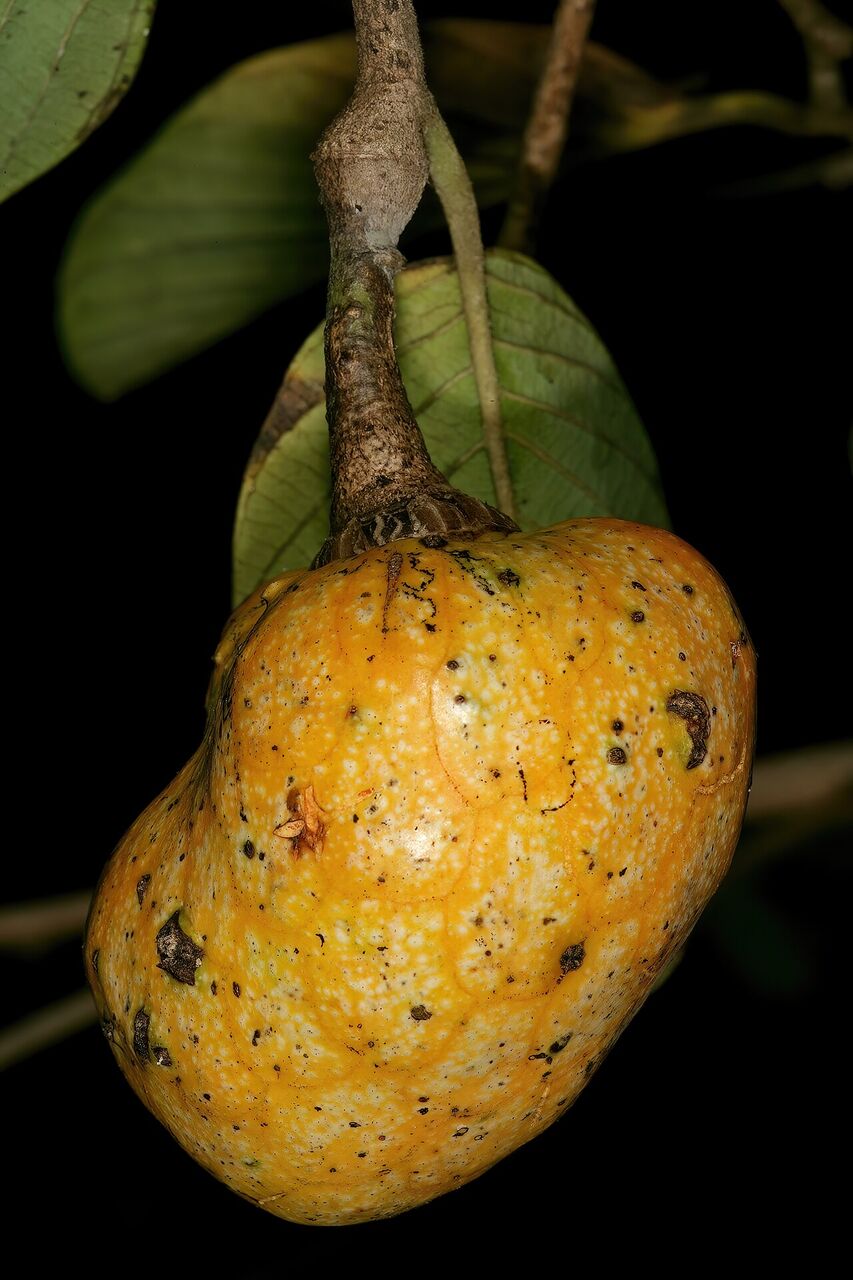
Annona senegalensis · also called African custard apple

What it is used for
- Worms bark · traditional use
- Diarrhoea and gastroenteritis bark · traditional use
- Stomach-ache root · traditional use
- Respiratory infections and pneumonia bark, leaf · traditional use
- Toothache bark · traditional use
- Snakebite bark · traditional use
- Cuts and wounds bark · traditional use
- Tonic leaf · traditional use
- Inflammation and infection lab tests only
Tap a use to read how it is prepared and how well it is supported.
How each use is prepared
Parts used: bark, leaf, root.
Worms
Traditional useWorms and parasites · bark · including guinea worm
People use it this way, but it has not been tested.
Reported as a bark remedy for guinea worm and other worms in the Useful Tropical Plants and Agroforestree sources. No experimental work on this use was found in the sources read. [1][2]
Diarrhoea and gastroenteritis
Traditional useStomach and digestion · bark
People use it this way, but it has not been tested.
Reported as a bark remedy for diarrhoea and gastroenteritis. No experimental work on this use was found in the sources read. [1][2]
Stomach-ache
Traditional useStomach and digestion · root
People use it this way, but it has not been tested.
Reported as a root remedy for stomach-ache. No experimental work was found in the sources read. [2]
Respiratory infections and pneumonia
Traditional useCough and breathing · bark, leaf
People use it this way, but it has not been tested.
Bark and leaves are reported for respiratory infections and pneumonia. No experimental work on this use was found in the sources read. [1][2]
Toothache
Traditional usePain and swelling · bark
People use it this way, but it has not been tested.
Reported as a bark remedy for toothache. No experimental work was found in the sources read. [1]
Snakebite
Traditional useOther · bark
People use it this way, but it has not been tested.
Reported as a bark remedy for snakebite. The 2024 toxicity paper says earlier studies looked at snake envenomation, but it does not test snakebite treatment itself, so this use has no experimental support in the sources read. [1][2]
Cuts and wounds
Traditional useWounds · bark
People use it this way, but it has not been tested.
The gum from the bark is reported for cuts and wounds. No experimental work on this use was found in the sources read. [2]
Tonic
Traditional useOther · leaf
People use it this way, but it has not been tested.
Leaves are reported as a tonic. No experimental work was found in the sources read. [2]
Inflammation and infection
Lab or animal studiesPain and swelling
Tested in the laboratory or in animals, not in people.
The 2026 scoping review's table lists a preparation from Togo with anti-inflammatory and antimicrobial activity, tested in vivo in rats. The table gives the plant part only as "R", and its legend was not found, so no part is recorded here. The original study was not opened. This is animal evidence only and has not been tested in people. [5]
Safety
One rat study of a stem bark extract found it had low acute toxicity and no clear harm over 28 days of oral dosing. The same study found heavy metals in the extract and warns that repeated use may lower blood sugar too far. There are no human safety studies in the sources read, so it cannot be called safe for people.
Side effects
- Not documented in the sources read for people. [4]
Poisoning and overdose
- In rats, the stem bark extract had an LD50 above 5000 mg/kg, with no deaths up to 5000 mg/kg (acute test). [4]
- In a 28-day oral study in rats, no deaths or significant harmful effects were seen at the doses tested. [4]
- The stem bark extract contained heavy metals, though the authors report that calcium and potassium were the main minerals. [4]
- Repeated use may lower blood sugar too far (hypoglycaemia) and cause weight loss, according to the authors. In the 28-day rat study, blood glucose fell with higher doses. [4]
If you take other medicines
- Data lacking. No drug interaction studies were found in the sources read. [4]
Pregnancy and breastfeeding
- Data lacking. No pregnancy studies were found in the sources read. [4]
Children
- Data lacking. A 2026 scoping review reports a second-hand use in babies in Venda (South Africa), where the plant was mixed into weaning food. No safety data for children were found in the sources read. [5]
About this plant
A shrub or small tree of the custard apple family, known as wild custard apple. It is used in traditional medicine across Africa for a range of complaints. Its safety is not well studied, and the one toxicity study found is in rats.
How to recognise it
A usually multi-stemmed, deciduous shrub (Useful Tropical Plants). Its flowers are up to 3 cm across, solitary or in groups of 2 to 4, and arise above the leaf axils (Agroforestree profile). The ripe fruit has edible white pulp with a pineapple-like taste (Agroforestree profile). Bark, roots and leaves are the parts used in traditional medicine. Identification in this record rests on the source descriptions and the Commons photos listed below.
Plants it can be confused with
- Annona muricata (soursop): A different species, with its own record in this archive. Agroforestree also gives "wild soursop" as a common name for this plant, which is a confusion risk. Check the species name on the label, not the common name.
Where it grows
- Native to
- Tropical Africa. The Agroforestree profile lists the countries of its range and does not include Nigeria.
Scientific details
- Scientific name
- Annona senegalensis Pers.
- Family
- Annonaceae
- Older names
- Annona africana L.
Sources
Not yet reviewed Drafted with AI from the sources below. Treat with care.
- Annona senegalensis - Useful Tropical Plants. Useful Tropical Plants.
- Annona senegalensis species profile (World Agroforestry tree database). World Agroforestry (ICRAF).
- GBIF species match: Annona senegalensis. Global Biodiversity Information Facility.
- Safety assessment of crude aqueous methanol extract of Annona senegalensis stem bark: acute and sub-chronic toxicity studies.. Drug and Chemical Toxicology (2024), 2024. PMID 38682320.
- A scoping review on ethnobotanical uses, pharmacological and toxicological profiles of traditional medicinal plants in paediatric healthcare across Sub-Saharan Africa and South Asia.. BMC Complementary Medicine and Therapies (2026), 2026. PMID 41862891.
- Ethnobotanical uses of plants in Nigeria: an analysis of current research trends and patterns.. Journal of Ethnobiology and Ethnomedicine (2025), 2025. PMID 40841969. Source not checked