Hot pepper
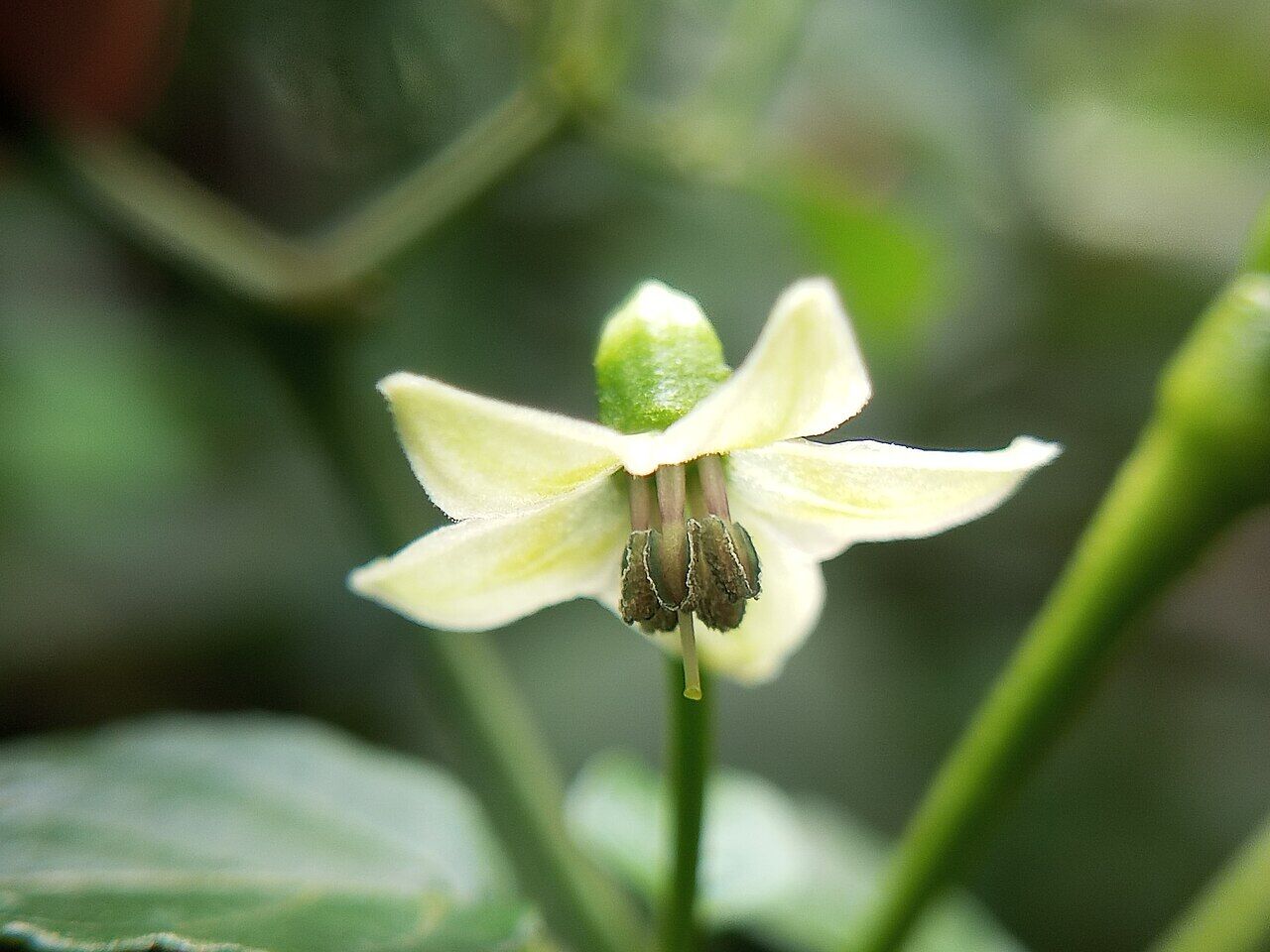
Capsicum frutescens · also called Tabasco pepper

What it is used for
- Cough and chest infections fruit, seed · traditional use
- Cough leaf, fruit · traditional use
- Weak stomach and bowels fruit · traditional use
- Leafy vegetable leaf · traditional use
Tap a use to read how it is prepared and how well it is supported.
How each use is prepared
Parts used: fruit, seed, leaf.
Cough and chest infections
Traditional useCough and breathing · fruit, seed
How it is prepared: Fruit given as a decoction; seeds pulverised and infused, taken orally
People use it this way, but it has not been tested.
Reported in an Ogbomosho (Oyo State) survey for COVID-19 and related respiratory infections, where the plant was named Ata wewe. The survey cites no experimental study. This is not treatment for COVID-19 or any infection. [3]
Cough
Traditional useCough and breathing · leaf, fruit
How it is prepared: Concoction
People use it this way, but it has not been tested.
Reported in an Ede South (Osun State) survey. That survey lists the species as Capsicum annuum, with C. frutescens as a synonym. No experimental study is cited. [2]
Weak stomach and bowels
Traditional useStomach and digestion · fruit
How it is prepared: Dried fruit
People use it this way, but it has not been tested.
An older herbal reference cited by UTP describes the dried fruit as a stimulant useful when the stomach or intestines are weak. It is not from a Nigerian survey, and no experimental study is cited. [1]
Leafy vegetable
Traditional useNutrition · leaf · nutrition
How it is prepared: Cooked as a potherb
People use it this way, but it has not been tested.
The leaves are eaten as a cooked vegetable, according to food-plant references cited by UTP. This is a food use, not a treatment. [1]
Safety
Pepper fruit is a common food, and the fruit has a burning taste from capsaicin. Pepper sap can blister skin (UTP). Safety for medicinal use is not established, and the sources read do not cover pregnancy, children or drug interactions.
Side effects
- In a 2026 review of topical capsaicin for pain, the reported side effects were transient burning, redness, swelling and itching at the site. These were for capsaicin patches and creams, not for eating pepper. Eye and mucous membrane irritation from pepper is not covered by the sources read. [4]
Poisoning and overdose
- UTP says most Solanaceae contain poisonous alkaloids, and that it would be unwise to eat any part of this plant other than the uses it lists as edible (fruit, and leaves as a cooked potherb). The sap can cause the skin to blister (UTP, citing a gardening reference). [1]
If you take other medicines
- Data lacking. The sources read do not cover drug interactions.
Pregnancy and breastfeeding
- Data lacking for pregnancy and breastfeeding in the sources read. This does not mean it is safe.
Children
- Data lacking for children in the sources read.
About this plant
A small, much-branched shrub grown for its hot fruit, which is used as a seasoning and a common food across Nigeria. Traditional uses of the fruit, seed and leaf are reported in Nigerian surveys. These reports are not evidence that the plant works as a medicine.
How to recognise it
An erect, much-branched perennial about 1 to 2 metres tall. Its stems can become somewhat woody near the base (UTP). The fruit is small and hot. UTP's photo captions show bushes with fruit ranging from white to deep red. The leaves are not described in the sources read, so this record does not describe their shape or colour.
Where it grows
Grows well in lowland tropical areas and up to about 2,000 metres (UTP). UTP says it is also cultivated as an annual in subtropical and warm temperate areas. The wild habitat is not known (UTP).
- Native to
- Probably tropical; the original habitat is obscure (UTP).
- In Nigeria
- Recorded in ethnobotanical surveys from Ogbomosho (Oyo State) and Ede South (Osun State). Grown as a food and seasoning crop. The surveys do not give locations within those states.
- States
- Oyo, Osun
Scientific details
- Scientific name
- Capsicum frutescens L.
- Family
- Solanaceae
- Older names
- Capsicum minimum
- Main compounds
- capsaicin
Sources
Not yet reviewed Drafted with AI from the sources below. Treat with care.
- Capsicum frutescens. Useful Tropical Plants.
- Lawal IO et al.. Ethnobotanical Survey of Plants Used for Treating Cough Associated with Respiratory Conditions in Ede South Local Government Area of Osun State, Nigeria. Plants (Basel), 2020. PMID 32443771.
- Odebunmi CA et al.. Ethnobotanical Survey of Medicinal Plants Used in the Treatment of COVID-19 and Related Respiratory Infections in Ogbomosho South and North Local Government Areas, Oyo State, Nigeria. Plants (Basel), 2022. PMID 36235532.
- Adamiak-Giera U et al.. Topical Pain Management: An Updated Review of Current Evidence and Emerging Strategies. Journal of Clinical Medicine, 2026. PMID 42452770.