Lemongrass
- Yoruba Koriko oba, Ewe tii
Cymbopogon citratus · also called Lemon grass

What it is used for
- Fungal infection leaf · tested in people
- Chronic gum disease leaf · tested in people
- Fever leaf · lab tests only
- Stomach and bowel complaints leaf · lab tests only
Tap a use to read how it is prepared and how well it is supported.
How each use is prepared
Parts used: leaf.
Fungal infection
Studied in peopleInfections · leaf · possible antifungal effect
Tested in at least one human study. Read the note for how strong the result is.
MSK says a few studies in humans suggest it may help against fungal infection. The studies themselves were not opened for this draft, so the number of participants and the type of infection are unknown. The evidence is weak and this is not a proven use. [1]
Chronic gum disease
Studied in peopleOther · leaf · possible benefit from essential oil products
Tested in at least one human study. Read the note for how strong the result is.
MSK says limited data in humans suggest lemongrass essential oil products might help chronic periodontitis (gum disease), and that more studies are needed. The evidence is weak. Gum disease needs a dental assessment. [1]
Fever
Lab or animal studiesFever · leaf · animal evidence only
How it is prepared: Oral tea made from the leaves (as given to rats and mice in the 1986 study)
Tested in the laboratory or in animals, not in people.
In a 1986 study, rats and mice given oral doses of up to 40 times the human dose did not have lowered fever. The authors concluded that these data do not support oral use for feverish conditions. No human trial of fever is cited in this draft. The evidence does not support this use. [3]
Stomach and bowel complaints
Lab or animal studiesStomach and digestion · leaf · animal evidence only
How it is prepared: Oral tea made from the leaves (as given to rats and mice in the 1986 study)
Tested in the laboratory or in animals, not in people.
The same 1986 study found that oral doses did not change intestinal transit in animals. The authors concluded that the data do not support oral use for intestinal ailments. The evidence does not support this use. [3]
Safety
Human evidence for lemongrass is limited. Tea is generally consumed in small amounts. High doses of the essential oil can damage the liver and stomach lining, and excess tea may affect the kidneys. Pregnant women should avoid it, and anyone taking regular medicines should check with a pharmacist first.
Side effects
- Oral side effects listed by MSK: dizziness, drowsiness, dry mouth, excess urination and increased appetite. [1]
- Skin rash from essential oils. A case report describes a delayed rash after topical and oral use. [1]
Poisoning and overdose
- In high doses, the essential oil can damage the liver and the mucous membranes of the stomach. [1]
- Excessive intake of the tea may affect kidney function. [1]
- The genus review says significant research is still needed to establish safety. [4]
If you take other medicines
- MSK's health professional page says not to take it with glutathione-S-transferase drugs or CYP450 substrate drugs. MSK also says amounts above normal culinary use may increase the risk of drug side effects. Clinical relevance is not yet known. [1]
Pregnancy and breastfeeding
- Citral and myrcene, compounds in lemongrass, caused birth defects in rats. MSK says it may be advisable to avoid it during pregnancy. No human data are given. Breastfeeding data are lacking. [1]
Children
- Data lacking. The sources opened for this draft give no child-specific guidance. [1]
About this plant
Lemongrass is a tall grass used in traditional medicine, aromatherapy and cooking. Human studies are limited. Animal studies did not support its use for fever or stomach complaints, and high doses of the essential oil can harm the liver.
How to recognise it
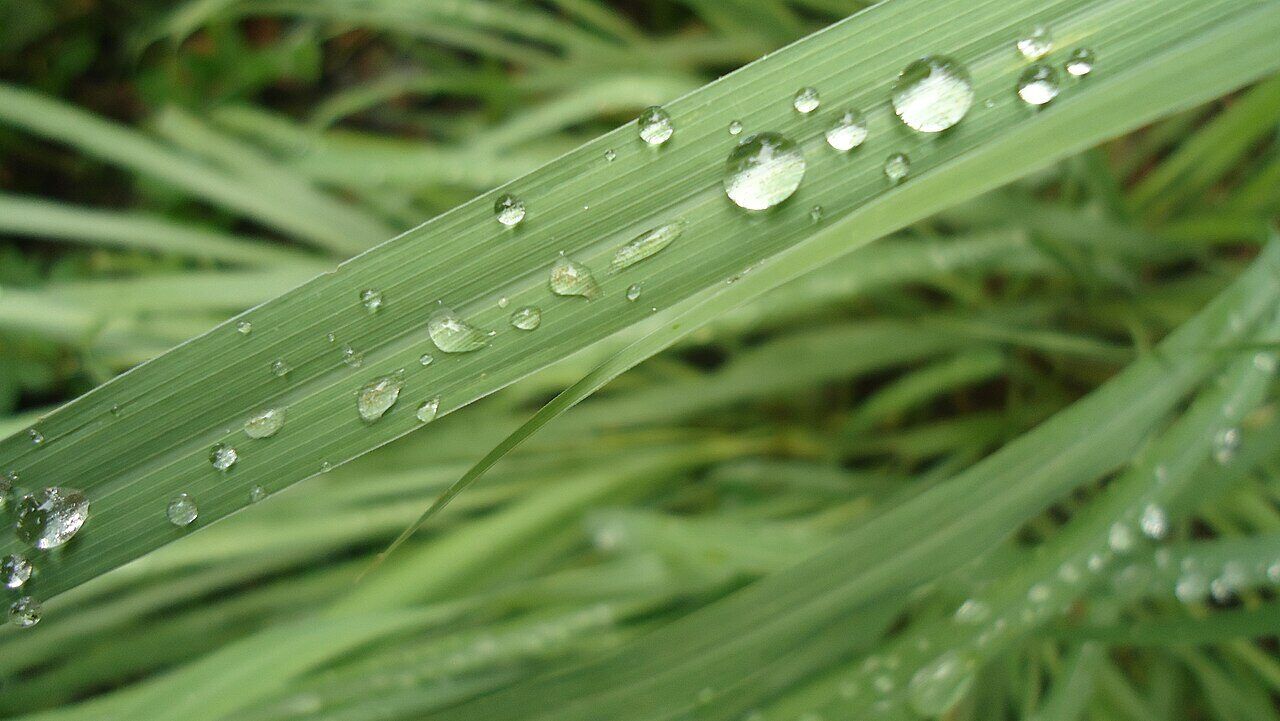
Lemongrass is an evergreen perennial grass, meaning it stays green all year and regrows from its base. It grows in dense clumps of stiff, upright stems that rise from a short underground rootstock (a thickened base that sends up new shoots). Plants usually reach about 1.5 m tall. Its main identifying feature is smell: the lower parts of the leafy shoots have a strong lemon-like aroma, which is aromatic in the sense of releasing a fragrant plant oil. It seldom flowers, so flowers and seeds are not a reliable way to recognise it.
Plants it can be confused with
- Cymbopogon nardus (citronella grass): Useful Tropical Plants describes citronella grass as an aromatic, evergreen, clump-forming perennial grass up to 2.5 m tall, growing from a stout rootstock, with a wild range in eastern Africa, India and Sri Lanka. Lemongrass is listed there at about 1.5 m, and it is not known in the wild. Both are listed with no known hazards. The sources read do not describe leaf-level differences, so check the plant against a reliable identification guide before use.
Where it grows
Lemongrass is not known in a wild situation; it is grown in gardens and cultivation. Plants For A Future says it is profusely cultivated in the Philippines and Indonesia, where it is called tanglad or sereh.
- Native to
- Not known in the wild; probably originates in Sri Lanka or Malaysia
- In Nigeria
- GBIF holds 37 occurrence records from Nigeria, but the records do not say where in the country the plant grows or is cultivated. No Nigerian paper was read.
Scientific details
- Scientific name
- Cymbopogon citratus (DC.) Stapf
- Family
- Poaceae
Sources
Not yet reviewed Drafted with AI from the sources below. Treat with care.
- Lemongrass (health professional page). Memorial Sloan Kettering Cancer Center, About Herbs, 2022.
- Cymbopogon citratus (taxonomic record, accepted name). International Plant Names Index (IPNI).
- Carlini et al.. Pharmacology of lemongrass (Cymbopogon citratus Stapf). I. Effects of teas prepared from the leaves on laboratory animals.. Journal of Ethnopharmacology, 1986. PMID 3762195.
- Tibenda et al.. Review of phytomedicine, phytochemistry, ethnopharmacology, toxicology, and pharmacological activities of Cymbopogon genus.. Frontiers in Pharmacology, 2022. PMID 36105217.
- Du et al.. Ethnopharmacology, chemical composition and functions of Cymbopogon citratus.. Chinese Herbal Medicine, 2024. PMID 39072200.
- Ajao AA, Mukaila YO, Sabiu S. Wandering through southwestern Nigeria: An inventory of Yoruba useful angiosperm plants. Heliyon, 2022. PMID 35024488.
- Cymbopogon citratus (Lemon grass). Useful Tropical Plants.
- Cymbopogon citratus (Lemon Grass). Plants For A Future (PFAF), 2010.
- Cymbopogon nardus (Citronella grass). Useful Tropical Plants.
- GBIF (Global Biodiversity Information Facility). GBIF species match for Cymbopogon citratus. Global Biodiversity Information Facility.
- GBIF (Global Biodiversity Information Facility). GBIF occurrence search: Cymbopogon citratus, country NG. Global Biodiversity Information Facility.